More Than Just Books
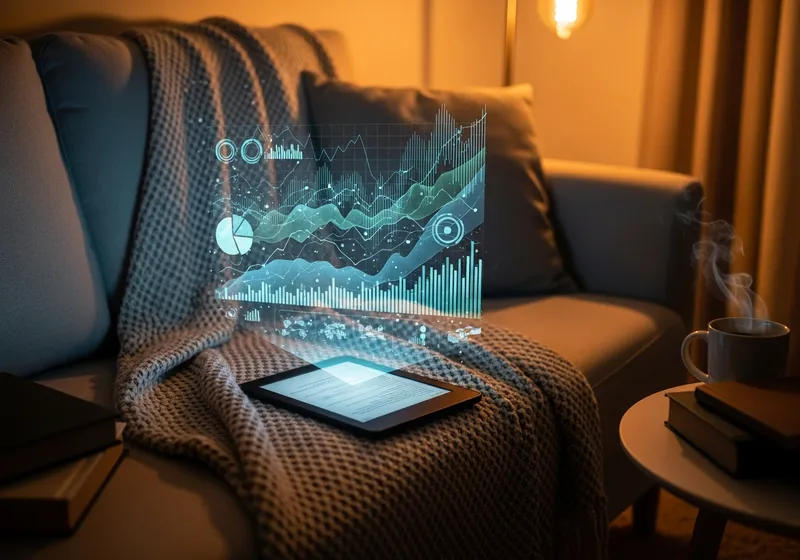
E-readers like Kindle, Kobo, and Nook are great for reading, but they are also connected devices that collect data about your habits. Understanding what they track helps you make informed choices about your privacy.
What E-Readers Collect
Depending on the brand and model, your e-reader may track:
- Reading speed and progress: How fast you read, where you pause, and when you stop.
- Highlights and notes: Text you highlight or notes you write may be stored on the company's servers.
- Purchase history: Every book you buy or sample you download is recorded.
- Device usage patterns: When you use your device, how long your sessions are, and which features you access.
Why This Data Matters
Reading habits can reveal a lot about a person, including interests, beliefs, and health concerns. While e-reader companies use this data primarily for recommendations and product improvement, it could potentially be exposed in a data breach or requested by third parties.
How to Protect Your Reading Privacy
Take these steps to limit data collection on your e-reader:
- Review privacy settings: Check your device settings and the associated app for options to limit data sharing.
- Turn off syncing features you do not need: Syncing your reading position across devices is convenient, but it means more data is sent to the cloud.
- Use airplane mode: Reading in airplane mode prevents your device from sending data while you read. Sync manually when you choose to.
- Download books for offline reading: This reduces the amount of real-time data your device transmits.
Consider Alternatives
If privacy is a top concern, consider reading e-books through apps on a device you control, or use open-source e-reader software that does not track your habits. Public libraries also offer digital lending through apps with better privacy practices.
Reading should be a private activity. With a few adjustments, you can enjoy your e-reader while keeping your reading habits to yourself.