Your Inbox Is a Target
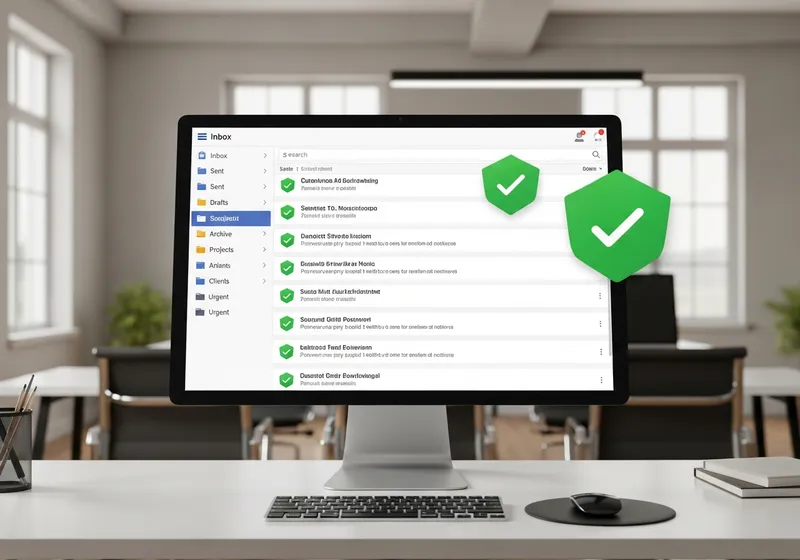
Email is still one of the most common ways scammers reach people. Phishing emails, malicious attachments, and fake invoices land in inboxes every day. The good news is that a few smart habits can block most of these threats before they cause any harm.
Practical Email Safety Tips
These simple practices will keep you much safer:
- Check the sender's address carefully: Scammers often use addresses that look similar to real ones. For example, they might use [email protected] instead of [email protected].
- Do not click links in unexpected emails: If an email says your account has a problem, go directly to the website by typing the address in your browser.
- Be suspicious of attachments: Especially files ending in .exe, .zip, or .scr. If you were not expecting a file, do not open it.
- Watch for urgency: "Your account will be closed in 24 hours" is a classic pressure tactic designed to make you act without thinking.
Securing Your Email Account
Beyond avoiding scams, securing your email account itself is critical:
- Use a strong, unique password for your email. It is the most important password you have.
- Enable two-factor authentication. This prevents unauthorized access even if your password is stolen.
- Review your account's recovery settings to make sure they have not been changed.
- Check for unfamiliar forwarding rules. Hackers sometimes set up auto-forwarding to secretly copy your emails.
Dealing With Spam
Most email providers have good spam filters, but some unwanted messages still get through. Mark them as spam rather than just deleting them. This trains your email's filter to catch similar messages in the future. Never reply to spam or click "unsubscribe" links in suspicious emails, as this confirms your address is active.
Stay Alert, Stay Safe
Email scams succeed because they catch people in a hurry. Taking an extra moment to verify before clicking is the simplest and most effective email security habit you can develop.