The Rise of QR Code Scams
QR codes became part of everyday life. Restaurants, parking meters, event tickets, and product packaging all use them. But this convenience has created a new opportunity for scammers who place fake QR codes over legitimate ones.
How the Scam Works
Criminals create their own QR codes that link to malicious websites. They place these fake codes in places where you would expect to scan one:
- Parking meters: A sticker with a fake QR code placed over the real one, leading to a phishing site that steals your payment information.
- Restaurant menus: A fake code placed on a table that redirects to a convincing but fraudulent website.
- Flyers and posters: Fake event or promotion QR codes that download malware or harvest personal data.
- Email and text messages: QR codes sent in phishing messages to bypass spam filters.
How to Scan Safely
Protect yourself with these simple precautions:
- Check before you scan: Look for signs of tampering, like a sticker placed over another QR code.
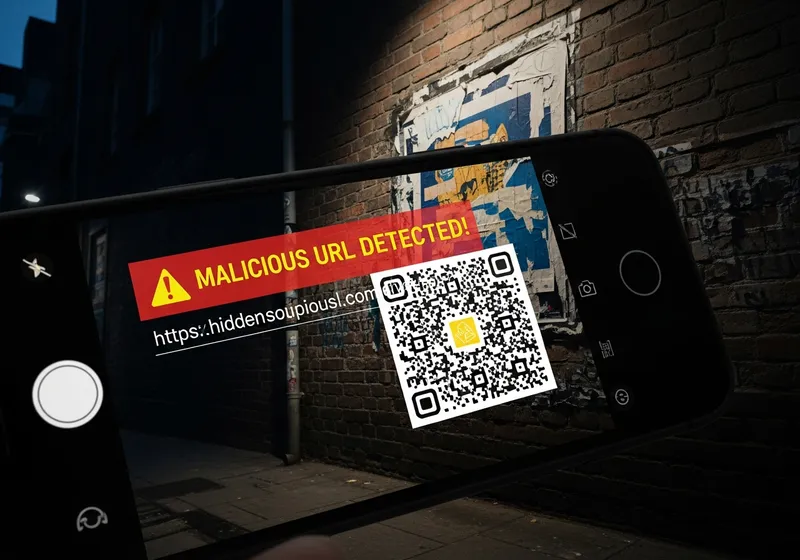
- Preview the URL: Most phone cameras show you the web address before opening it. Check that it looks legitimate and uses HTTPS.
- Do not scan codes from strangers: Be cautious of QR codes received in unsolicited emails, texts, or found on random flyers.
- Use your browser instead: If you are unsure about a QR code, navigate to the website manually by typing the address into your browser.
What to Do If You Scanned a Bad Code
If you think you scanned a malicious QR code:
- Close the browser tab immediately.
- Do not enter any personal information or passwords.
- Run a security scan on your device.
- If you entered payment details, contact your bank right away.
Stay Cautious, Not Scared
QR codes are a useful technology, and most of the ones you encounter are perfectly safe. Just treat them like links in an email. Take a moment to verify before you tap.