Too Good to Be True Usually Is
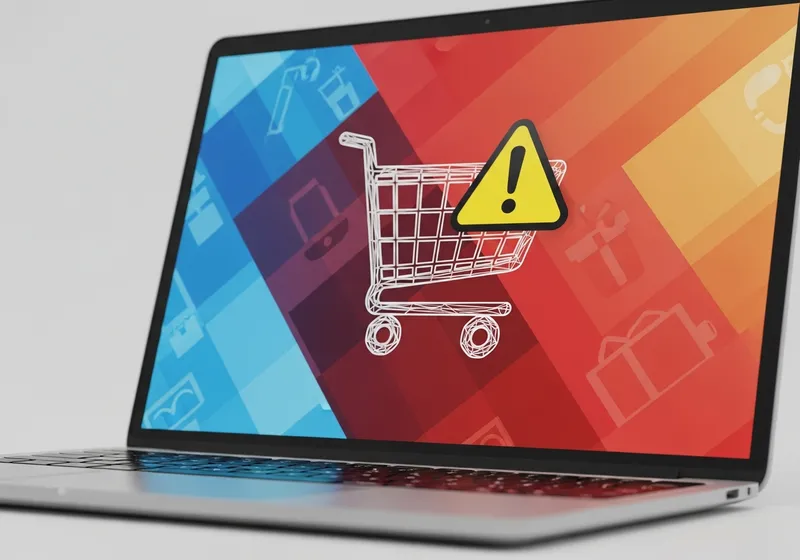
The internet makes shopping convenient, but it also makes it easy for scammers to set up fake stores. These sites often advertise incredibly low prices on popular products to lure you in. Once you enter your payment information, you either receive nothing, get a cheap counterfeit, or worse, have your financial details stolen.
Red Flags to Watch For
Keep an eye out for these warning signs when shopping online:
- Prices far below retail: If everyone else sells a product for 100 dollars but one site has it for 20, be skeptical.
- No physical address or phone number: Legitimate businesses provide contact information.
- Poor website quality: Broken links, blurry images, spelling errors, and generic product descriptions are red flags.
- Limited payment options: Be cautious if a site only accepts wire transfers, gift cards, or cryptocurrency.
- No return policy: Real stores clearly state their return and refund policies.
How to Verify a Store
Before buying from an unfamiliar store, do a quick background check:
- Search for the store name followed by "scam" or "reviews" to see what others say.
- Check the domain age. Sites created very recently are more likely to be fraudulent.
- Look for HTTPS and a padlock icon, but remember these alone do not guarantee legitimacy.
- Compare prices with well known retailers to see if the deal makes sense.
What to Do If You Were Scammed
If you think you have been scammed, contact your bank or credit card company immediately to dispute the charge. Report the website to the Federal Trade Commission or your local consumer protection agency. Change your password if you created an account on the fake site. Acting quickly gives you the best chance of recovering your money.