QR Codes in Everyday Life
QR codes have become a standard way to access menus, make payments, join Wi-Fi networks, and share contact information. Their convenience is undeniable, but as QR code use has exploded, so have the scams that exploit them. While basic QR safety advice covers not scanning random codes, sophisticated scams require a deeper understanding.
Sophisticated QR Code Attacks
Scammers have evolved beyond simple malicious links. Here are some advanced tactics to be aware of:
- Overlay attacks: Criminals place a sticker with a malicious QR code over a legitimate one. This is common on parking meters, restaurant tables, and public bulletin boards. The physical code looks authentic because it appears to be part of the original sign or menu.
- Dynamic QR codes: Some QR codes point to URLs that can be changed after the code is printed. A legitimate-looking code might redirect to a safe site today but be changed to a phishing page tomorrow.
- Wi-Fi network attacks: QR codes that auto-connect you to a Wi-Fi network can be manipulated to connect you to a rogue network where your traffic can be intercepted.
- Payment redirect scams: In regions where QR code payments are common, scammers replace merchant payment codes with their own, diverting your payment to their account.
How to Evaluate QR Codes Safely
Before scanning a QR code, take a moment to assess the situation:
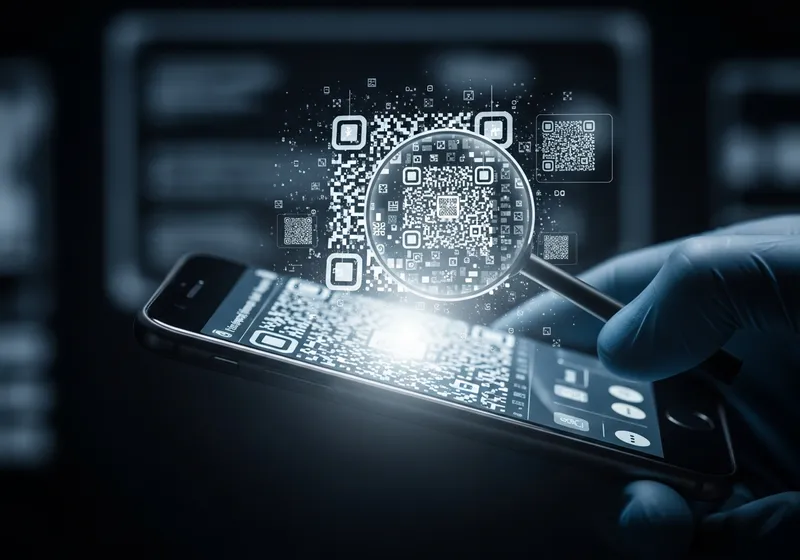
- Check for tampering: Look closely at QR codes in public places. If it appears to be a sticker placed over another code, do not scan it.
- Preview the URL: Most phone cameras and QR scanner apps show you the URL before opening it. Review the web address carefully for misspellings or unusual domains.
- Use your browser: If a QR code is supposed to take you to a known website, consider typing the address directly into your browser instead.
- Be skeptical of urgent requests: A QR code paired with a sign saying "Scan immediately to avoid a fine" is a red flag.
QR Codes and Payments
If you use QR codes for payments, extra caution is warranted:
- Only scan payment codes at established businesses where you can verify they are legitimate.
- Confirm the payment details on your screen before authorizing. Check the merchant name and amount.
- Use payment apps that offer transaction notifications so you can quickly spot unauthorized charges.
Protecting Yourself Going Forward
- Keep your phone's operating system updated, as newer versions have better built-in QR code security.
- Use your phone's built-in camera instead of third-party QR scanner apps, which may not be trustworthy.
- Be especially cautious with QR codes received in emails or text messages. These are common phishing vectors.
- Teach family members about QR code risks, especially those who may not be as familiar with digital scams.
QR codes are a convenient part of modern life, and you do not need to avoid them entirely. Just approach them with the same healthy skepticism you apply to links in emails and text messages.