Why Scam Texts Are on the Rise
Text messages feel personal and immediate. When your phone buzzes with a message about a missed delivery or a problem with your bank account, it is natural to want to act quickly. Scammers know this and use text messages (sometimes called "smishing," which combines SMS and phishing) to create a sense of urgency that bypasses your normal caution.
Unlike email, which many people have learned to approach with skepticism, text messages still feel more trustworthy to most of us. That is exactly what makes them effective for scammers.
Common Types of SMS Scams
While scam texts come in many forms, most follow a few familiar patterns:
- Package delivery scams: "Your package could not be delivered. Click here to reschedule." These are especially common during holiday shopping seasons.
- Bank alert scams: "Unusual activity detected on your account. Verify your identity immediately." The link leads to a fake banking page designed to steal your login credentials.
- Prize and lottery scams: "Congratulations! You have won a $500 gift card. Claim it now." Legitimate prizes do not arrive by random text message.
- Government impersonation: Messages claiming to be from the IRS, Social Security, or other agencies requesting personal information or payment.
Why These Scams Work
These messages succeed because they tap into emotions: fear about your bank account, excitement about a prize, or concern about a missed delivery. They also create urgency. Phrases like "act now" or "respond within 24 hours" are designed to prevent you from stopping to think critically.
How to Spot a Scam Text
Look for these warning signs:
- The message comes from a regular phone number or a short, unfamiliar number.
- It contains a link you were not expecting.
- It asks you to provide personal information, passwords, or payment details.
- The language creates urgency or threatens consequences if you do not act immediately.
- It addresses you generically rather than by name.
What to Do When You Receive a Suspicious Text
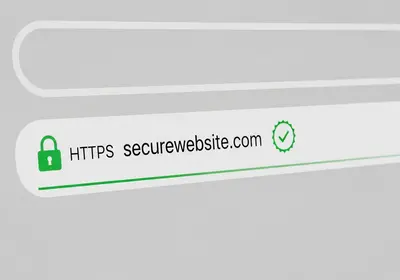
- Do not click any links. If you think the message might be real, go directly to the company's website by typing the address in your browser or use their official app.
- Do not reply to the message, even to say "STOP." Replying confirms your number is active and may lead to more scam messages.
- Report the message. In the United States, you can forward scam texts to 7726 (SPAM). Most phone carriers accept reports this way.
- Block the sender through your phone's messaging settings.
- Delete the message after reporting it.
Protecting Yourself Going Forward
You can reduce the number of scam texts you receive by enabling your phone's built-in spam filtering. Both Android and iPhone offer settings that filter messages from unknown senders into a separate folder. While these filters are not perfect, they catch many scam messages before you see them.
Remember: legitimate companies will never ask for sensitive information through a text message. When in doubt, contact the company directly using a phone number or website you trust.