Bank Emails Are a Favorite Target for Scammers
Scammers know that people take emails about their money seriously. That is why fake bank emails are one of the most common forms of phishing. These emails are designed to look official, create a sense of urgency, and trick you into handing over your login credentials or personal information.
Common Tactics
Fake bank emails tend to follow predictable patterns:
- Urgent warnings: "Suspicious activity detected on your account. Verify immediately."
- Account suspension threats: "Your account will be locked unless you confirm your identity."
- Security update requests: "We need you to update your security information by clicking this link."
- Fake transaction alerts: "A payment of $500 was processed from your account. Click here if this was not you."
All of these are designed to make you act quickly without thinking.
How to Check If It Is Real
Before clicking anything, take these steps:
- Check the sender's email address carefully. A real bank email comes from the bank's official domain. Scam emails often use addresses that look similar but have extra characters or a different domain, like "[email protected]" instead of "[email protected]."
- Hover over links without clicking. On a computer, hovering over a link shows you the actual URL. If it does not go to your bank's official website, do not click it.
- Look for generic greetings. "Dear Customer" instead of your actual name can indicate a mass-sent phishing email.
- Check for spelling and grammar errors. While scam emails are getting more polished, many still contain subtle mistakes.
When in Doubt, Call Your Bank
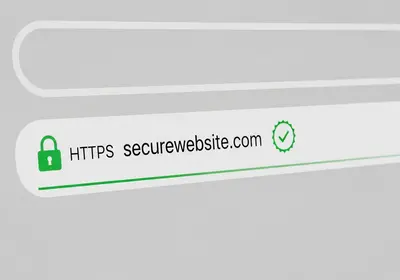
If you receive an email that concerns you, do not use any contact information from that email. Instead, call your bank using the phone number on the back of your debit or credit card, or log in to your account directly by typing the bank's web address into your browser. If there is a real problem with your account, your bank will know about it.
A Habit That Protects You
Making it a habit to verify before clicking is the single best defense against bank phishing emails. It takes just a minute and can prevent significant financial and personal harm.