Why Public Computers Are Risky
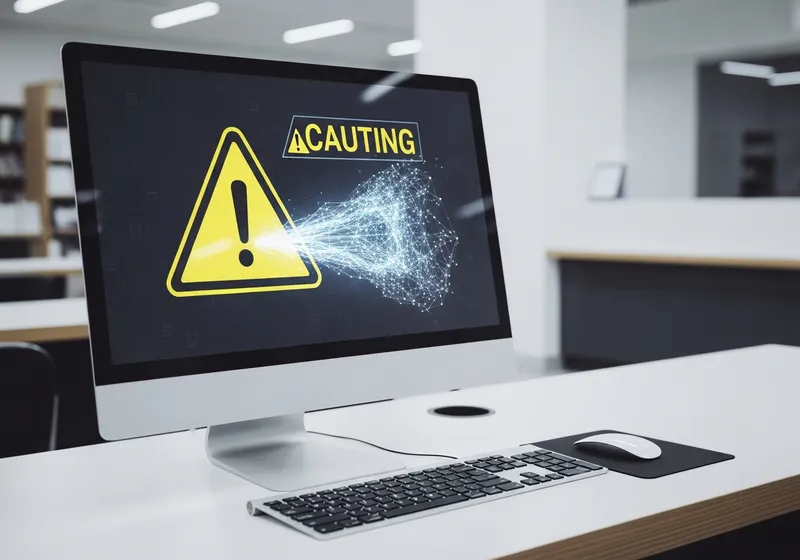
Public computers at libraries, hotel business centers, airports, and internet cafes are shared by many people. You have no way of knowing what software has been installed, whether the computer has been compromised, or if the previous user left something behind that could capture your information.
Common Threats
Here are the biggest risks when using shared computers:
- Keyloggers: Software or hardware that records everything you type, including passwords and credit card numbers.
- Saved sessions: If you forget to log out, the next user can access your accounts.
- Browser history and cached data: Your browsing activity and form entries may be saved on the computer.
- Malware: The computer may already be infected with software that steals data or monitors your activity.
How to Stay Safe
If you must use a public computer, follow these precautions:
- Avoid sensitive activities: Do not log into banking, email, or shopping accounts if possible.
- Use private browsing mode: This prevents the browser from saving your history, cookies, and form data.
- Log out of everything: When you are done, log out of every account and close all browser tabs.
- Clear the browser data: Delete browsing history, cookies, and cached files before you leave.
- Do not save passwords: If the browser asks to save your login, always decline.
- Watch for shoulder surfers: Be aware of people nearby who might be watching your screen.
Better Alternatives
Whenever possible, use your own device instead of a public computer. If you need internet access while traveling:
- Use your smartphone's mobile data connection.
- Carry a small laptop or tablet with you.
- Use a mobile hotspot instead of shared Wi-Fi.
After Using a Public Computer
If you logged into any accounts on a public computer, change those passwords as soon as you can from a trusted device. Check your account activity for anything suspicious and enable two-factor authentication for extra protection.