Phishing Has Gone Mobile
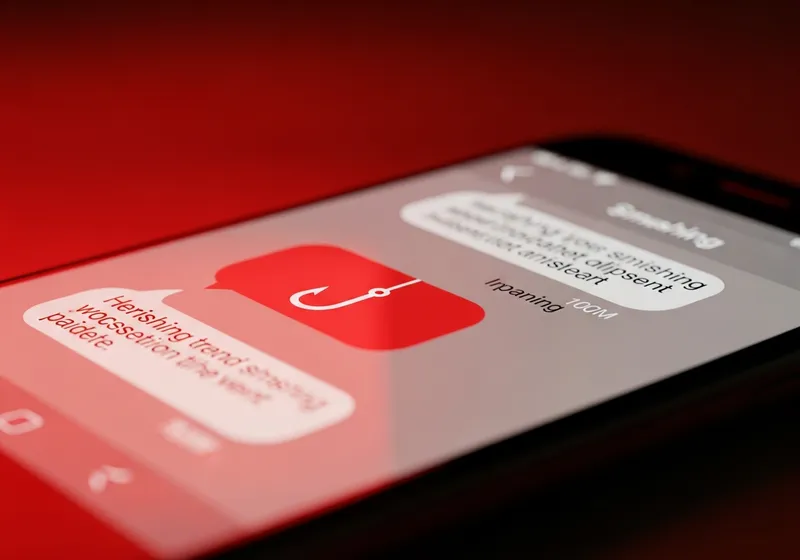
You have probably heard of phishing emails, but scammers are increasingly targeting people through text messages. This is called smishing, a combination of SMS and phishing. These messages often look like they come from banks, delivery services, or government agencies, and they are designed to get you to click a link or share personal information.
Common Smishing Messages
Here are some examples of what smishing texts look like:
- "Your package could not be delivered. Click here to reschedule." with a suspicious link.
- "Your bank account has been locked. Verify your identity now." followed by a link to a fake website.
- "You have won a gift card! Claim it here." which leads to a site asking for personal details.
These messages create urgency so you act before thinking. That is exactly what scammers want.
How to Protect Yourself
Follow these guidelines when you receive an unexpected text:
- Do not click links in texts from unknown numbers or unexpected messages.
- Verify directly: If the message claims to be from your bank or a delivery service, contact them through their official app or website.
- Watch for urgency: Legitimate companies rarely threaten immediate action via text.
- Report spam texts: Forward suspicious texts to 7726 (SPAM) to report them to your carrier.
What to Do If You Clicked
If you already clicked a smishing link, do not panic. Close the page immediately. If you entered any login details, change those passwords right away. Monitor your accounts for unusual activity and consider running a security scan on your phone.
Smishing is growing because it works. But a moment of caution is all it takes to stay safe.