Why Travel Increases Your Risk
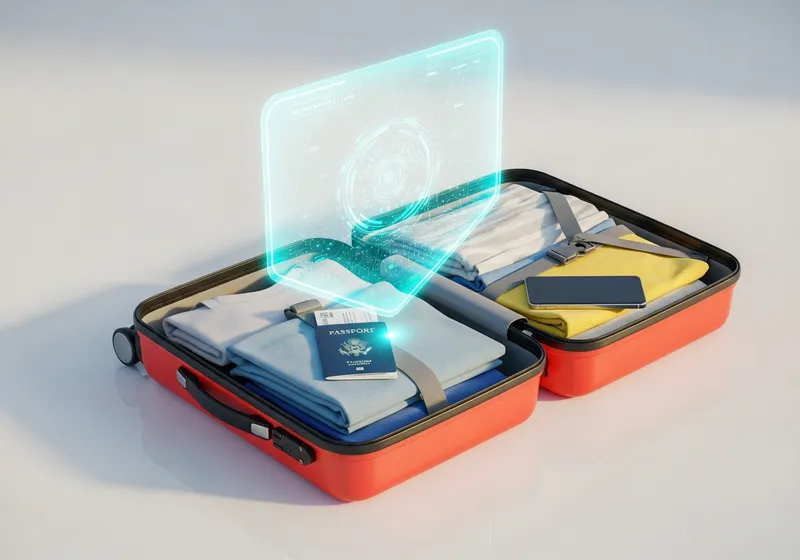
When you travel, you leave the familiar security of your home network and trusted devices. You connect to unfamiliar Wi-Fi networks, charge your devices in public places, and may attract attention as a tourist with expensive electronics. Each of these situations creates potential security risks that are easy to manage with a little preparation.
Before You Leave
A few steps before your trip can make a big difference:
- Update everything: Install the latest updates for your operating system, apps, and antivirus software before you travel. Updates often include security patches that protect against known vulnerabilities.
- Back up your data: Create a full backup of your devices before leaving. If something goes wrong, such as theft, loss, or damage, you will not lose your important files.
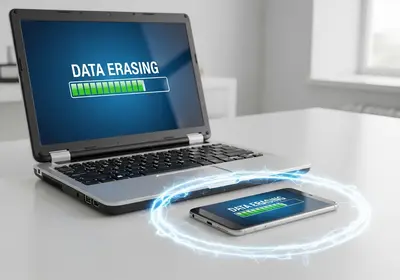
- Enable device tracking: Turn on Find My iPhone, Find My Device (Android), or similar features. These can help you locate, lock, or erase your device remotely if it is lost or stolen.
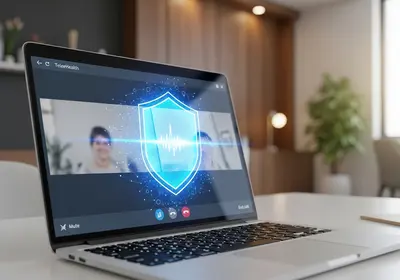
- Set up a VPN: Download and configure a VPN app before your trip so it is ready to use on unfamiliar networks.
Using Wi-Fi While Traveling
Hotel, airport, and cafe Wi-Fi networks are convenient but often unsecured. To protect yourself:
- Always use a VPN when connected to public Wi-Fi.
- Avoid logging into sensitive accounts like banking or email on public networks without a VPN.
- Use your phone's mobile data instead of public Wi-Fi when possible, especially for sensitive tasks.
- Turn off auto-connect for Wi-Fi to prevent your device from joining untrusted networks automatically.
Protecting Your Devices Physically
- Never leave devices unattended: Hotel rooms are generally safe, but use the room safe when available.
- Be cautious with public charging stations: USB charging ports in airports and hotels can potentially transfer data as well as power. Use your own charger and a wall outlet, or carry a portable power bank.
- Use a cable lock for laptops: If you work from a hotel lobby or co-working space, a cable lock provides basic physical security.
Digital Precautions While Abroad
- Minimize the sensitive data on your travel devices. Consider using a secondary device with limited data for travel.
- Use two-factor authentication on all important accounts so stolen passwords alone are not enough for access.
- Be wary of Bluetooth connections in crowded areas and disable Bluetooth when not in use.
- Notify your bank before traveling to avoid your cards being frozen due to unusual activity.
After You Return
- Change passwords for any accounts you accessed on public networks.
- Scan your devices for malware.
- Review your bank and credit card statements for unauthorized charges.
Travel should be enjoyable, not stressful. A few security precautions before and during your trip let you focus on the experience while keeping your data and devices safe.