Email Is Like a Postcard
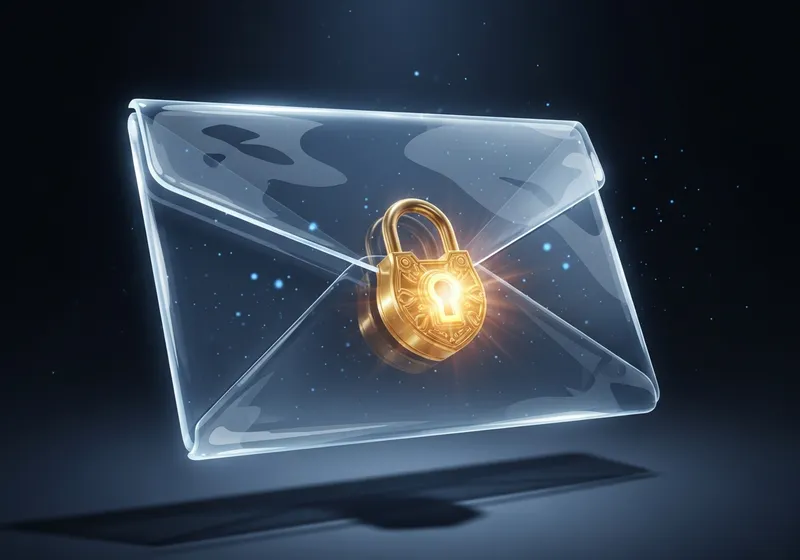
When you send a regular email, it travels through multiple servers on its way to the recipient. At each stop, the contents of the email can potentially be read by the email provider, by network administrators, or by anyone who manages to intercept it. In this sense, email is more like a postcard than a sealed letter.
What Encrypted Email Does
Encrypted email scrambles your message so that only the intended recipient can read it. Even if someone intercepts the email along the way, all they see is unreadable code. The recipient uses a key (handled automatically by the email software) to unscramble and read the message.
When You Might Need It
For most everyday messages, standard email is perfectly fine. But there are situations where encryption adds meaningful protection:
- Sending sensitive financial or legal documents.
- Sharing medical information.
- Communicating about confidential work projects.
- Situations where privacy is especially important, such as journalism or advocacy.
Your Options
There are several approaches to encrypted email:
- Encrypted email providers: Some email services are built with encryption at their core. They encrypt your messages by default when communicating with other users on the same platform, and offer options for sending encrypted emails to anyone.
- Email encryption add-ons: You can add encryption to your existing email using browser extensions or desktop plugins. These require a bit more setup but let you keep your current email address.
- Password-protected emails: Some email services let you send a message that requires the recipient to enter a password to read it. This is simpler but less robust than full encryption.
Practical Alternatives
If setting up encrypted email feels like too much for your needs, consider these alternatives:
- Use an end-to-end encrypted messaging app for sensitive conversations.
- Share sensitive documents through encrypted cloud storage with password-protected links.
- Use your email provider's built-in confidential mode, which offers some additional protections.
Keep It Simple
You do not need to encrypt every email you send. The goal is to have an option available when you need it. Start by understanding what your current email provider offers, and explore encrypted options when the situation calls for extra privacy.