Common Concerns About Password Managers
Despite being recommended by security experts, many people hesitate to use password managers. The most common worry is putting all your passwords in one place. Others wonder what happens if the password manager itself gets hacked. These concerns are understandable, but the reality is more reassuring than you might think.
Myth: If It Gets Hacked, I Lose Everything
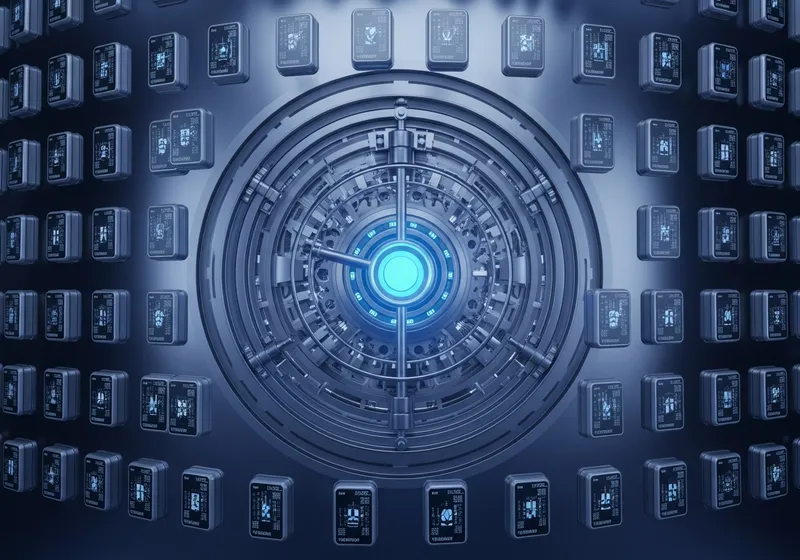
Password managers encrypt your data with strong algorithms. Even if a password manager company suffers a breach, attackers would get encrypted files that are essentially unreadable without your master password. As long as your master password is strong and unique, your stored passwords remain protected.
Myth: Writing Passwords Down Is Just as Safe
A notebook cannot generate random passwords, warn you about breaches, or auto-fill credentials securely. It can also be lost, stolen, or read by anyone who finds it. A password manager offers all of these features while keeping your data encrypted.
Myth: They Are Too Complicated
Modern password managers are designed to be simple. Most work as browser extensions and phone apps. When you log in to a website, the manager fills in your credentials automatically. Setting one up takes about ten minutes, and after that, it actually saves you time.
What Password Managers Actually Do
- Store all your passwords in an encrypted vault.
- Generate strong, unique passwords for every account.
- Auto-fill login forms so you do not have to type passwords.
- Alert you if any of your passwords appear in a data breach.
- Sync securely across all your devices.
The Real Risk Is Not Using One
Without a password manager, most people reuse passwords or use weak ones because remembering dozens of unique passwords is unrealistic. The risk of reusing passwords is far greater than the risk of using a well-designed password manager. It is one of the best investments you can make in your online security.