More Than Just Steps
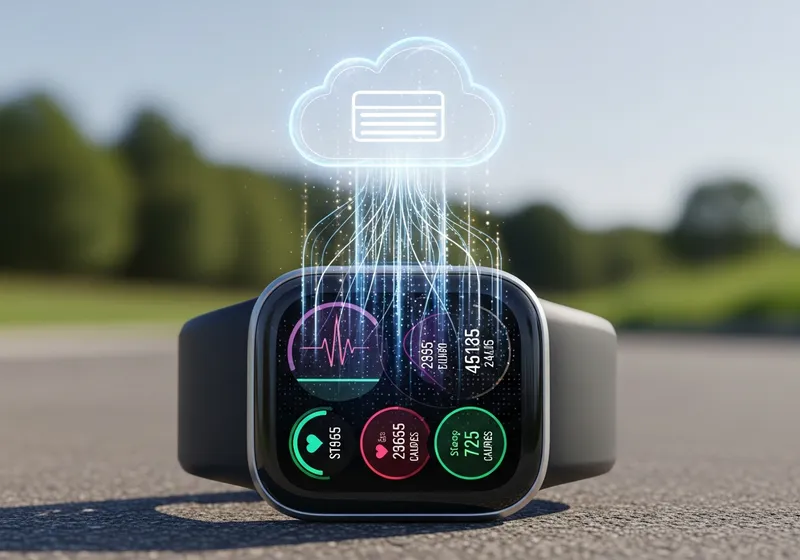
Modern fitness trackers do much more than count your steps. They collect detailed health data including your heart rate, sleep patterns, stress levels, menstrual cycles, and even your location throughout the day. Some devices also track your weight, blood oxygen levels, and exercise routines.
All of this data is typically synced to a companion app and stored in the cloud, where it can potentially be accessed by the company, shared with partners, or exposed in a data breach.
Why This Data Is Sensitive
Health data is some of the most personal information you can share. It can reveal:
- Your daily routines and habits.
- Where you live, work, and exercise.
- Health conditions you may prefer to keep private.
- Your sleep schedule, which could indicate when your home is empty.
How to Protect Your Privacy
You do not have to give up your fitness tracker, but you should take steps to limit data exposure:
- Review app permissions: Only grant the permissions the app truly needs. Location access, for example, may not be necessary for step counting.
- Make your profile private: Many fitness platforms have social features that share your activity with other users by default. Turn these off.
- Disable location tracking: If you do not need GPS route tracking, turn it off to prevent your movements from being recorded.
- Use a strong password: Protect your fitness account with a unique password and enable two-factor authentication if available.
Check the Privacy Policy
Before buying a fitness tracker, review the manufacturer's privacy policy. Look for clear statements about how your data is stored, who it is shared with, and how long it is kept. Some companies sell anonymized health data to third parties, which may not align with your expectations.
Stay Active, Stay Private
Fitness trackers are great motivational tools. By adjusting a few settings and being mindful of what you share, you can enjoy the benefits of tracking your health without giving away more information than necessary.