How Smart Speakers Work
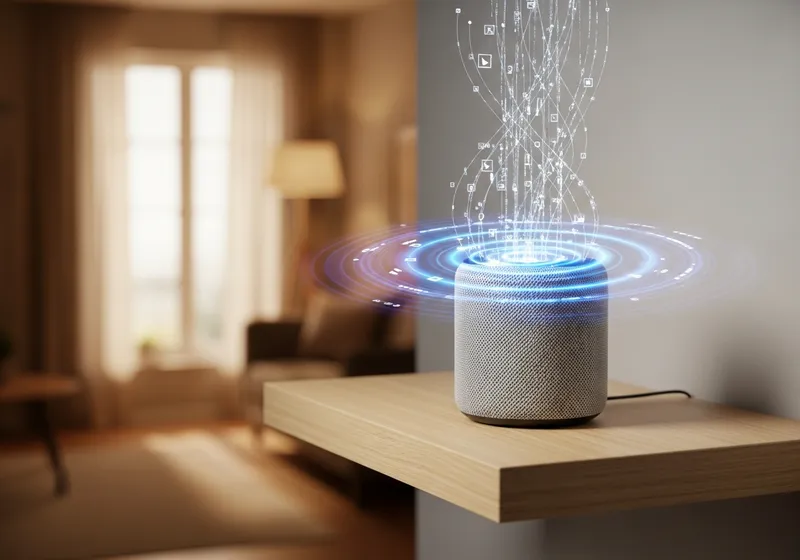
Smart speakers like Amazon Echo, Google Home, and Apple HomePod use microphones that are always on, waiting for a wake word like "Alexa" or "Hey Google." Once they hear the wake word, they start recording your request and send it to the cloud for processing.
The key concern is what happens with those recordings after your request is fulfilled.
What Gets Recorded
Every time your smart speaker activates, it creates a recording that is typically stored on the company's servers. This can include:
- Voice commands and questions you ask.
- Background conversations accidentally captured when the speaker mishears its wake word.
- Music preferences, shopping lists, and search queries.
- Information about your daily routines based on when and how you use the device.
How to Protect Your Privacy
You do not have to unplug your smart speaker to stay safe. These steps can significantly reduce your exposure:
- Review and delete recordings: Both Amazon and Google let you view and delete your voice history in their apps. Set up automatic deletion for recordings older than three months.
- Mute the microphone: Use the physical mute button when you do not need the speaker, especially during private conversations.
- Limit linked accounts: Be cautious about connecting your bank, email, or calendar to your smart speaker.
- Disable voice purchasing: Turn off the ability to make purchases by voice to prevent accidental or unauthorized orders.
Placement Matters
Think about where you place your smart speaker. Avoid bedrooms and home offices where sensitive conversations happen. A living room or kitchen is usually a better choice.
Smart speakers offer real convenience, but understanding what they collect helps you make informed choices about your privacy at home.