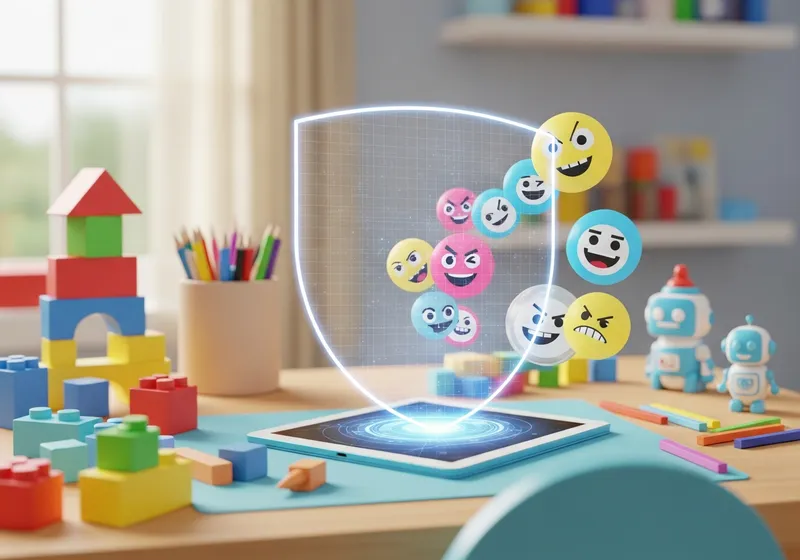
Why Children Are Vulnerable
Children and teenagers are growing up in a world where AI can create realistic fake images, videos, and audio. While adults may have developed some skepticism about what they see online, young people are still building these critical thinking skills. Deepfakes and AI-generated content can be used for bullying, manipulation, and misinformation that particularly affects young audiences.
The goal is not to frighten children about technology but to equip them with the awareness and skills to navigate a world where not everything they see online is real.
How Deepfakes Affect Young People
- Cyberbullying: Deepfake technology can be used to create embarrassing or harmful fake images or videos of classmates. This is a growing concern in schools.
- Misinformation: AI-generated content can spread false information quickly among young social media users who may not yet have the skills to verify what they see.
- Trust erosion: Constant exposure to manipulated content can make it harder for children to trust any source of information, leading to confusion and anxiety.
- Online predators: Bad actors may use AI-generated profiles and content to appear more trustworthy when attempting to contact children.
Teaching Critical Thinking
Help your children develop the skills to evaluate digital content:
- Question the source: Teach children to ask who created the content and why. Is it from a trusted news organization or an anonymous social media account?
- Look for inconsistencies: Deepfake videos may have subtle glitches. Look for unnatural blinking, slight mismatches between lip movements and audio, or unusual lighting.
- Check multiple sources: If something seems surprising or shocking, look for the same story from other reputable sources before believing it.
- Reverse image search: Teach older children how to use reverse image search to check whether an image has been manipulated or taken out of context.
Having Age-Appropriate Conversations
Adapt your approach based on your child's age:
- Young children (6-10): Explain simply that some pictures and videos on the internet are made by computers and are not real, just like special effects in movies.
- Preteens (11-13): Discuss how AI can create fake content and why people might do this. Practice identifying manipulated content together.
- Teenagers (14+): Have deeper conversations about the implications of deepfakes, including legal and ethical issues. Discuss the importance of not creating or sharing manipulated content of others.
Practical Steps for Parents
- Keep communication open so your child feels comfortable telling you about suspicious content they encounter.
- Monitor younger children's social media use and discuss what they see online.
- Report any deepfake content targeting your child to the platform and, if necessary, to school authorities or law enforcement.
- Model good digital behavior by being critical of the content you share and discuss.
- Stay informed about new AI developments so you can guide your children through emerging challenges.
Deepfake technology is advancing rapidly, but critical thinking and open communication remain your most powerful tools. By helping your children understand that not everything online is real, you prepare them to handle what they encounter online with confidence and good judgment.